
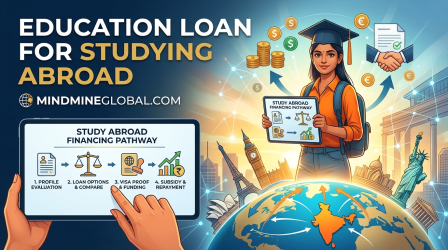
Studying abroad is a dream for many students who want access to better academic opportunities, global exposure, and career growth. However, the cost of international education can often become a major concern. Tuition fees, accommodation expenses, travel costs, insurance, and daily living expenses can add up quickly, making financial planning an important part of the study abroad journey.
An education loan for studying abroad helps students manage these expenses without putting excessive financial pressure on their families. With the right loan option, students can focus on their education while having a structured repayment plan for the future.
Many banks and financial institutions in India provide education loans specifically designed for overseas education. These loans cover various expenses related to studying in another country and help students pursue courses at reputed universities worldwide.
This guide explains everything students need to know about education loans for studying abroad, including eligibility criteria, required documents, application process, benefits, repayment options, and important factors to consider before applying.
What is an Education Loan for Studying Abroad?
An education loan for studying abroad is a financial assistance facility provided by banks and other lending institutions to help students fund their higher education outside India. The loan amount can be used to cover expenses such as university tuition fees, accommodation charges, examination fees, travel expenses, study materials, and other academic-related costs.
Unlike personal loans, education loans are specifically designed for students and usually come with more flexible repayment options. Many lenders offer a repayment holiday period, allowing students to complete their studies and find employment before starting loan repayments.
For students planning to pursue undergraduate, postgraduate, or professional courses abroad, an education loan can make international education more accessible and financially manageable.
Why Do Students Need an Education Loan for Overseas Studies?
The cost of studying abroad varies depending on the country, university, and course chosen. Countries like the USA, UK, Canada, Australia, and Germany attract thousands of Indian students every year, but international education expenses can be significant.
Some common expenses covered through an education loan include:
- University tuition fees
- Hostel or accommodation expenses
- Food and living costs
- Airfare and travel expenses
- Laptop and study equipment
- Books and academic materials
- Health insurance
- Visa-related expenses
- Examination and course fees
An education loan reduces the immediate financial burden on families and allows students to invest in their future career opportunities.
Types of Education Loans Available for Studying Abroad
Students generally have two major options when applying for an overseas education loan:
1. Secured Education Loan
A secured education loan requires collateral security against the borrowed amount. Collateral can include property, fixed deposits, government bonds, or other valuable assets.
Benefits of secured education loans:
- Higher loan amounts available
- Lower interest rates compared to unsecured loans
- Suitable for expensive international courses
- Longer repayment tenure
Students planning to study at high-cost universities often choose secured loans because they provide greater financial support.
2. Unsecured Education Loan
An unsecured education loan does not require collateral. These loans are generally approved based on factors such as the student’s academic profile, university reputation, course details, and parents’ income.
Benefits of unsecured education loans:
- No property requirement
- Faster application process
- Suitable for students with strong academic backgrounds
- Less documentation related to assets
However, unsecured loans may have higher interest rates compared to secured loans.
Eligibility Criteria for Education Loan for Studying Abroad
Eligibility requirements may differ between lenders, but most financial institutions consider the following factors:
-
Student Eligibility
A student generally needs to:
- Be an Indian citizen
- Have secured admission to a recognized foreign university
- Have completed required academic qualifications
- Meet the lender’s age criteria
- Provide course and university details
-
Academic Requirements
Banks usually evaluate:
- Previous academic performance
- Entrance exam scores (if applicable)
- Course selection
- University ranking and recognition
Students admitted to reputed universities often have better chances of loan approval.
-
Financial Eligibility
The lender may check:
- Parent or guardian income
- Credit history
- Financial stability
- Repayment capability
A strong financial profile can improve the chances of loan approval.
Documents Required for Education Loan Abroad
Preparing the required documents in advance can make the loan application process smoother.
Common documents include:
-
Academic Documents
- Mark sheets and certificates
- Entrance exam scorecards
- Admission letter from foreign university
- Course details
- Scholarship documents (if applicable)
-
Identity Documents
- Aadhaar card
- Passport
- PAN card
- Address proof
-
Financial Documents
- Income proof of parents/guardian
- Salary slips
- Bank statements
- Income tax returns
- Property documents (for secured loans)
-
Other Documents
- Loan application form
- Passport-size photographs
- Visa documents (if available)
The exact document requirements depend on the lender and loan type.
How to Apply for an Education Loan for Studying Abroad?
The education loan application process usually involves the following steps:
Step 1: Research Loan Options
Compare different lenders based on:
- Interest rates
- Loan amount
- Processing fees
- Repayment terms
- Collateral requirements
Choosing the right loan option is important because repayment can continue for several years after completing studies.
Step 2: Check Eligibility
Before applying, students should review the lender’s eligibility criteria and ensure they meet the requirements.
Step 3: Submit Application and Documents
Students need to submit the loan application along with academic, identity, and financial documents.
Step 4: Loan Verification
The lender verifies the student’s admission details, documents, financial background, and repayment ability.
Step 5: Loan Approval and Disbursement
After approval, the loan amount is released according to the university fee schedule and other approved expenses.
Factors to Consider Before Choosing an Education Loan
Selecting an education loan requires careful planning. Students should consider:
-
Interest Rate
A lower interest rate can significantly reduce the overall repayment burden. Compare fixed and floating interest rate options before making a decision.
- Loan Amount: Ensure the loan covers major expenses including tuition fees and living costs. Underestimating expenses can create financial difficulties later.
- Repayment Period: A longer repayment period reduces monthly instalments but may increase total interest paid over time.
- Moratorium Period: Many education loans provide a moratorium period where repayment starts after course completion or after getting a job. Understand the exact terms before signing the agreement.
Processing Charges and Additional Fees
Check for:
- Processing fees
- Insurance charges
- Late payment penalties
- Prepayment charges
Understanding all costs helps avoid unexpected expenses.
Benefits of Taking an Education Loan for Foreign Studies
An overseas education loan provides several advantages:
- Financial Support Without Immediate Burden: Students can pursue their desired courses without arranging the entire amount upfront.
- Opportunity to Study at Global Universities: Financial limitations should not stop students from applying to international universities. Education loans provide access to better academic opportunities.
- Tax Benefits: In India, borrowers may be eligible for tax benefits on education loan interest under Section 80E of the Income Tax Act, subject to applicable conditions.
- Builds Financial Responsibility: Managing an education loan helps students understand financial planning and repayment responsibilities.
How Mindmine Global Can Help Students With Education Loan Guidance
Planning finances for studying abroad can feel complicated, especially when students are managing university applications, visas, and documentation at the same time.
Mindmine Global helps students understand different study abroad requirements and guides the overseas education process. With proper counselling, students can make informed decisions regarding university selection, course planning, and financial preparation.
Getting expert assistance can help students avoid common mistakes and prepare better for their international education journey.
Tips to Improve Your Chances of Education Loan Approval
Students can follow these steps to increase loan approval chances:
- Maintain a good academic record
- Apply to recognized universities
- Keep all documents ready
- Maintain a healthy credit profile of the co-applicant
- Compare different loan options
- Prepare a realistic financial plan
- Apply early to avoid last-minute issues
Early planning gives students enough time to complete the loan process before university deadlines.
Frequently Asked Questions (FAQs)
Q1. What is an education loan for studying abroad?
Ans. An education loan for studying abroad is financial assistance provided by banks or lenders to help students pay for tuition fees, living expenses, travel costs, and other educational expenses while studying overseas.
Q2. Can I get an education loan without collateral for studying abroad?
Ans. Yes, many lenders provide unsecured education loans without collateral. Approval depends on factors such as university reputation, course details, academic profile, and financial background.
Q3. How much education loan can I get for studying abroad?
Ans. The loan amount depends on the lender, course cost, university, student profile, and whether collateral is provided. Some lenders offer loans covering the complete cost of education.
Q4. What documents are required for an overseas education loan?
Ans. Common documents include admission letters, academic certificates, identity proof, passport, income documents, bank statements, and collateral documents if required.
Q5. When should I apply for an education loan for foreign studies?
Ans. Students should apply as early as possible after receiving university admission confirmation to complete verification and approval before fee payment deadlines.
Q6. Do education loans cover living expenses abroad?
Ans. Yes, many education loans cover approved living expenses such as accommodation, food, travel, insurance, and study materials along with tuition fees.
Q7. Do I need a co-applicant for an education loan?
Ans. Most education loans require a co-applicant, usually a parent or guardian, who shares repayment responsibility with the student.
Q8. Can I get an education loan for any foreign university?
Ans. Loan approval depends on whether the university and course meet the lender’s eligibility criteria. Recognized universities generally have better approval chances.
Q9. When does repayment of an education loan start?
Ans. Repayment usually starts after the course completion period along with the moratorium period provided by the lender.
Q10. Is taking an education loan a good option for studying abroad?
Ans. Yes, an education loan can be a practical option for students who need financial support to pursue international education while managing expenses through planned repayment.
Conclusion
Studying abroad can be financially demanding, but the right education loan for studying abroad makes it easier to manage tuition, accommodation, and other expenses without burdening your family. By comparing loan options, understanding eligibility, and preparing documents in advance, students can secure the right loan and focus on their academic journey with confidence.
Need guidance on choosing the right loan or university? Mindmine Global can help you plan every step of your study abroad journey.
Reda Also This Blog